
Pharmacognosy (pronounced: far-mah-KOG-no-see) derives from two Greek words: pharmakon (“drug”) and gnosis (“knowledge”)—literally meaning “the knowledge of drugs.”snscourseware.orgWikipedia
As a discipline, pharmacognosy is the scientific and systematic study of natural drugs—including their structure, physical, chemical, biochemical, and biological properties—particularly those sourced from plants, animals, minerals, marine organisms, and other natural origins.snscourseware.orgWikipediapharmacognosy.usSharadchandra Pawar College of Pharmacy
History & Evolution of Pharmacognosy
Ancient Origins & Early Civilization Contributions
- Rigveda and Atharvaveda, dating back around ~5000 years, document the use of medicinal plants in early Ayurvedic traditions.www.slideshare.netgputtawar.edu.in
- Dioscorides, the Greek physician (circa 50–70 AD), authored De Materia Medica, describing around 600 crude drugs—a foundational work in pharmacognosy’s history.www.slideshare.netWikipedia
Transition through Medieval to Modern Eras
- In 1811, German physician Johann Adam Schmidt used the term “pharmacognosy” in his Lehrbuch der Materia Medica, later adopted by C.A. Seydler in 1815 through Analecta Pharmacognostica.WikipediaWikipedia
- The modern phase of pharmacognosy (circa 1934–1960) was propelled by discoveries like penicillin (1928), reserpine (1952), and anticancer alkaloids such as vincristine and vinblastine from Vinca rosea.gputtawar.edu.incopbela.orgWikipedia
Institutional & Academic Growth
- The American Society of Pharmacognosy (ASP) was established in 1959 to foster research in natural products, with over 1,100 members across 60+ countries.pharmacognosy.usWikipedia
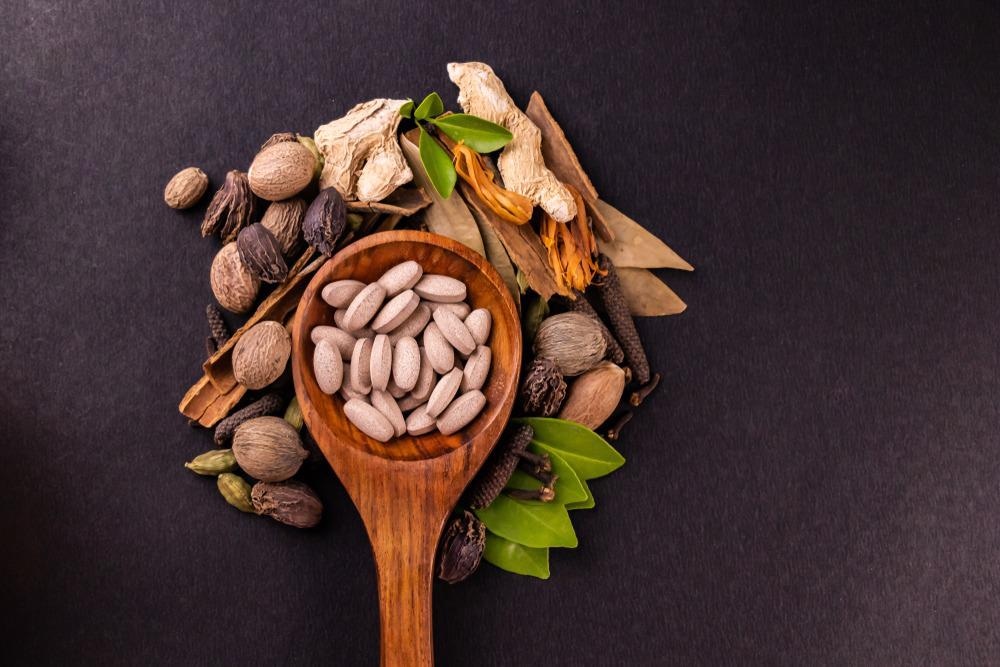
Scope of Pharmacognosy
Pharmacognosy’s modern scope is vast, spanning numerous scientific and applied domains:
- Identification & Authentication
Identifying raw (crude) drugs via macroscopic, microscopic, and advanced techniques, including leaf constants and tissue analysis.WikipediaScienceDirect - Phytochemical Analysis & Drug Development
Isolation and characterization of secondary metabolites like alkaloids, glycosides, terpenes, flavonoids, etc., serving as lead compounds for novel drug discovery.WikipediaSharadchandra Pawar College of Pharmacy - Cultivation, Taxonomy & Biotechnology
Incorporates plant taxonomy, breeding, pathology, genetics, and even tissue culture methods to sustainably produce medicinal plant compounds.www.slideshare.netcopbela.orgSharadchandra Pawar College of Pharmacy - Traditional Medicine & Ethnopharmacology
Studies traditional remedies (e.g., Ayurveda, Unani, Chinese medicine) and their modern relevance and safety.Sharadchandra Pawar College of Pharmacypharmacognosy.us - Quality Control & Regulatory Science
Developing analytical methods to ensure the authenticity, purity, and efficacy of herbal products.pharmacognosy.us - Marine & Microbial Natural Products
Exploration of marine organisms (e.g., bryostatins, cephalosporins) and microbes as novel pharmacological agents.copbela.orgpharmacognosy.usWikipedia - Cosmetics, Food & Agricultural Applications
Utilization of natural extracts in cosmetics, food flavorings, natural pesticides, and agricultural enhancements.pharmacognosy.us - Interdisciplinary Integration
Pharmacognosy links pharmacology, medicinal chemistry, botany, and biochemistry—pivotal in new formulation systems and natural product research.www.slideshare.netgputtawar.edu.inpharmacognosy.usWikipedia
Types & Sources of Pharmacognosy (Categories & Examples)
Pharmacognosy covers various natural sources of crude drugs:
Plant-Based Sources
- Historically the primary source—use of leaves (e.g., Digitalis for digoxin), roots (Rauwolfia), stem (Ephedra), flowers (Clove), seeds (Fennel) and more.copbela.orgwww.slideshare.net
Animal & Mineral Sources
- Animal-derived drugs: insulin (pancreas), thyroxin (sheep thyroid), cod liver oil (vitamins A & D), and cochineal (coloring).copbela.org
- Minerals also contribute—talc, chalk, bentonite used as excipients or drug carriers.Sharadchandra Pawar College of Pharmacy
Marine & Microbial Sources
- Marine drugs include bryostatins (anticancer), cephalosporins, anti-inflammatories, anthelmintics, antimicrobials.copbela.org
- Microbial sources such as penicillin and its derivatives are central to modern pharmacognosy.gputtawar.edu.incopbela.org
Tissue Culture & Biotechnological Sources
- Plant tissue culture facilitates sustainable production of valuable metabolites and conservation of endangered species.copbela.org
Pharmacognosy Notes & Best-Use Resources
For authoritative references and summaries, consider:
- Pharmacognosy PDF files from academic slides, modules, and textbooks—e.g., the scope-history PDF hosted on viper.ac.in.viper.ac.in
- Notes often serve as structured outlines including: definition, history, scope, sources, types, examples, quality control, and future trends.copbela.orgSharadchandra Pawar College of Pharmacy
- Books: Trease and Evans’ Pharmacognosy remains a seminal text offering detailed explanations of taxonomy, chemistry, and pharmacological uses.Konkur
- Magazine & Journals: Pharmacognosy Magazine (Phcog Mag.) is a peer-reviewed quarterly that highlights cutting-edge research in phytochemistry and related fields.Wikipedia
Notable Examples in Pharmacognosy
| Example | Source Type |
|---|---|
| Quinine | Bark of Cinchona (antimalarial) |
| Morphine & Codeine | Poppy (Papaver somniferum)—analgesics |
| Digoxin & Digitoxin | Digitalis purpurea—cardiac glycosides |
| THC & CBD | Cannabis flowers—neurological/therapeutic uses |
| Bryostatins, Cephalosporin | Marine and microbial—anticancer & antibiotic agents |
These exemplify how diverse sources contribute to therapeutics across domains.Wikipedia+1copbela.org
Why Pharmacognosy Matters Today
- Drug discovery: Natural products continue to be a rich reservoir for drug leads, particularly in oncology, infectious diseases, and neurological disorders.
- Traditional to modern integration: Validating and integrating indigenous knowledge systems enhances holistic healthcare.
- Sustainability: Tissue culture and biotechnological interventions help balance conservation with medicinal demand.
- Quality assurance: As herbal supplements grow in popularity, ensuring safety and authenticity is vital.
- Interdisciplinary synergy: Pharmacognosy remains at the crossroads of chemistry, botany, pharmacology, and biotechnology.
Conclusion
Pharmacognosy is a vibrant, multidisciplinary science deeply rooted in ancient ethnomedical knowledge and yet dynamically evolving through modern technological innovation. From its early beginnings in De Materia Medica to 19th-century nomenclature and mid-20th-century discoveries, it continues to inform drug discovery, sustainable medicinal sourcing, and quality regulation.
For downloadable educational content, search queries like “Pharmacognosy PDF,” “Pharmacognosy notebook,” or “Trease and Evans Pharmacognosy book” will yield rich academic resources.